Buying a co-op or condo in New York City means juggling a closing date, a board package, and a move. Insurance tends to land at the bottom of that list, yet it’s what matters most when the weather turns. Whether you’re about to close or just got the keys, now is the time to get it right.

New York’s weather has kept residents busy this year. In late September, a nor’easter brought gusts of 50 mph or more. Earlier in the year, a January winter storm buried Central Park in record snowfall for the date, and a month later, a blizzard shut down much of the city. Storms like these drive some of the most common, and typically covered, claims in NYC apartments: wind damage to roofs and building exteriors, ice damming, and burst pipes.
The good news: as a buyer, you can set up the right storm damage home insurance from day one, and working with a brokerage that knows NYC makes that much easier. Since 1964, Gotham Brokerage has helped nearly 100,000 New Yorkers protect their homes, with advice built around each building’s master policy, age, and quirks. (For a refresher, see our guide to storm damage insurance.)
Here are five common coverage gaps we help buyers fix before the next storm rolls in.
1. Wind Damage to Roofs and Building Exteriors
Wind damage is one of the most common storm claims in NYC, and it’s typically covered. A strong gust can tear off roofing, crack windows, or loosen parts of a building’s facade, letting rain pour into the apartments below.
The building’s master policy typically handles repairs to the roof and exterior, but damage inside your unit is another story. Soaked floors, ruined furniture, and water-stained walls may fall to your own policy. And if a large building claim leads to a special assessment for owners, loss assessment coverage can help with your share.
One exception: water that seeps in over time through exterior walls that weren’t properly pointed, or a roof that wasn’t properly sealed, is generally not covered, since insurers treat it as a maintenance issue. Ask about the building’s maintenance history before you buy. If contractors recently worked on the roof or facade, their insurance may cover damage caused by their work.

2. The Building’s Master Policy vs. Your Own Coverage
Every co-op and condo building carries a master policy. Many new owners assume it protects everything inside their walls. It usually doesn’t.
A master policy generally covers the building’s structure and shared spaces, like the roof, facade, lobby, and building systems. Your furniture, electronics, clothing, and other belongings are your responsibility. So is liability for damage that starts in your unit, like a leak that drips into your downstairs neighbor’s apartment.
That’s where your own co-op or condo policy comes in. Depending on the policy, it can cover your belongings, interior improvements, personal liability, loss assessments, and temporary living expenses if a covered loss leaves your apartment uninhabitable. Ask your board or managing agent for a copy of the master policy, check its deductible, and have a broker who knows NYC buildings help you build coverage around what it leaves out. The master policy is also where flood protection usually lives: flood coverage generally isn’t available for individual apartments, but most co-ops carry it through the building’s policy.
Need help? Contact us now.
3. Winter Storms and Ice Damming
When snow piles up on a roof and the building’s heat melts it from below, the water can refreeze at the roof’s edge and form an ice dam. Melting snow then backs up under the roofing and leaks into the units underneath, often top-floor apartments. Freezing temperatures can also burst pipes inside walls, sending water through several units at once.
These claims are common and generally covered, but how well you’re protected depends on your limits. Make sure your coverage for belongings and interior improvements reflects what’s actually in your home, especially if you’re buying on an upper floor.

4. Power Surges
Storms can knock out power across entire neighborhoods, and when the electricity comes back, the surge can damage whatever is plugged in. Lightning strikes can do the same. Laptops, TVs, high-end audio equipment, and appliances are all at risk.
How a policy handles surge damage can vary depending on the cause, and some protection may require an add-on. If you own valuable electronics, ask your broker how your policy treats power surges and whether higher-value items should be scheduled separately. Or contact Gotham Brokerage for a free quote.
5. Interior Improvements and Items Stored Outside Your Unit
Planning to redo the kitchen, refinish the floors, or add custom millwork? Many master policies only cover a unit’s interior as originally built, or exclude it entirely. If storm damage reaches your renovated kitchen, the cost of restoring it could fall on you. Make sure your policy includes enough improvements coverage, and update it after every renovation.
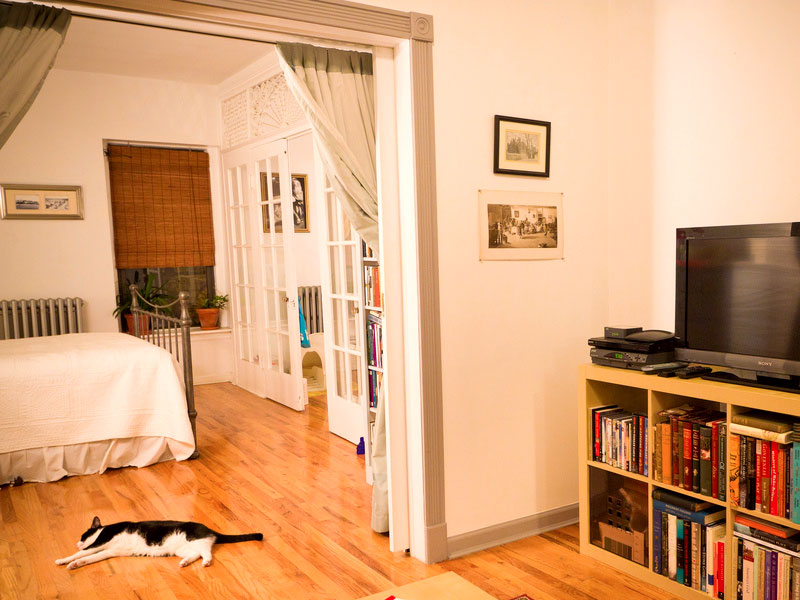
The same goes for belongings that live outside your apartment, like a bike in the building’s bike room or holiday decorations in a basement storage cage. Coverage for items kept away from your unit can be limited, so take stock of what you store elsewhere and confirm it’s protected.
Protect Your Future With the Right Storm Damage Home Insurance
Your new home deserves protection that fits it, not a one-size-fits-all policy. Real estate agents, banks, and mortgage brokers recommend Gotham Brokerage because we advise based on your exact property, from the master policy and your building’s age to your renovation plans, so you can be adequately protected. We compare coverage from major carriers like Travelers and Chubb, as well as local and specialty insurers.
Don’t wait for the next nor’easter to find out what your policy leaves out. Whether you’re finalizing a purchase or planning renovations, it pays to start the insurance process early.
Contact Gotham Brokerage today to get a comprehensive insurance quote.